
When Half-Life was released by Valve in 1998, it did far more than impress players with advanced graphics or intense gunplay. It fundamentally redefined what a first-person shooter (FPS) could be. At a time when most FPS titles focused purely on action and score-based mechanics, Half-Life introduced immersive storytelling, intelligent AI, and seamless world-building—elements that would become the foundation of modern FPS games. More than two decades later, its influence is still visible across the genre.
The FPS Landscape Before Half-Life
Before Half-Life, the FPS genre was dominated by titles such as Doom, Quake, and Duke Nukem 3D. These games emphasized fast-paced combat, maze-like levels, and minimal narrative delivery. Storylines existed largely in manuals or brief text screens, disconnected from gameplay.
While revolutionary for their time, early FPS games treated narrative as secondary. Players shot enemies, collected weapons, and progressed through levels—but rarely felt like part of a living world.
Half-Life’s Revolutionary Approach to Storytelling
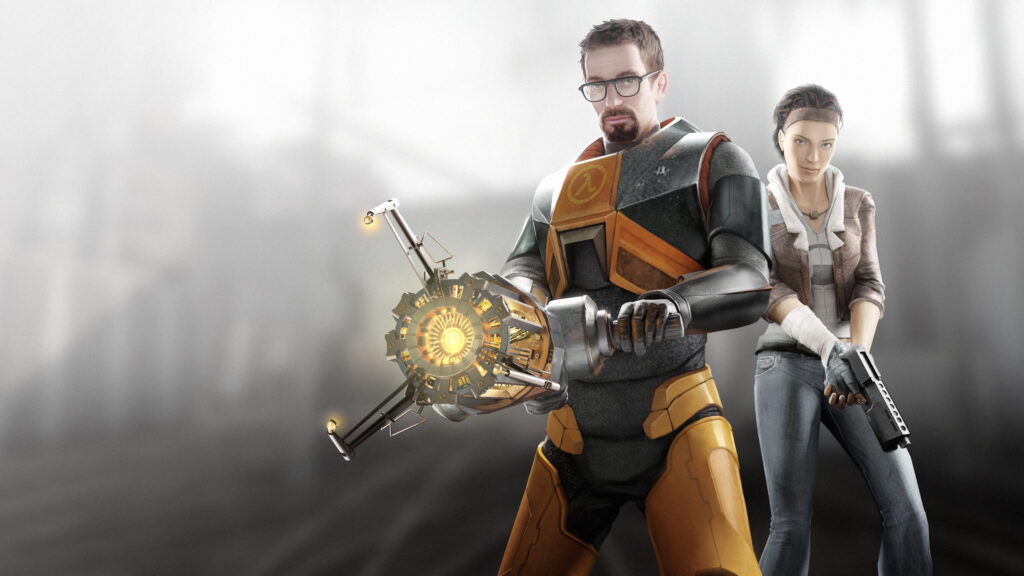
What set Half-Life apart immediately was its story-first design philosophy. Valve chose to tell the entire narrative without traditional cutscenes. Instead, players experienced the story in real time through scripted events, environmental cues, and character interactions—all while maintaining full control of Gordon Freeman.
This immersive approach made players feel present in the Black Mesa Research Facility rather than merely observing events unfold. The result was a level of emotional engagement previously unseen in FPS games and now considered standard practice in modern titles.
Seamless World-Building and Level Design
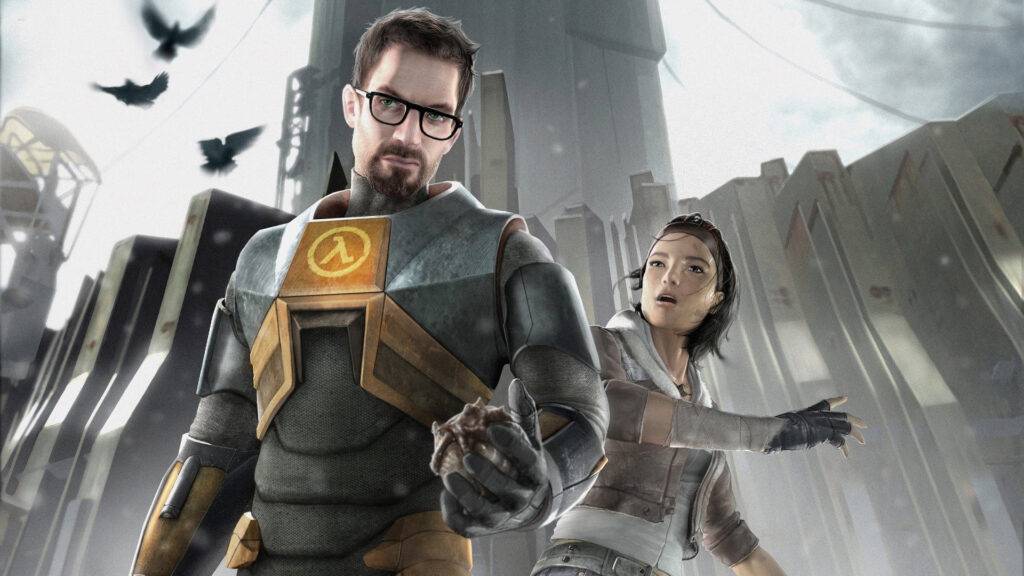
Another defining innovation of Half-Life was its continuous level design. Levels flowed naturally into one another, eliminating the sense of isolated stages. This design reinforced realism and immersion, encouraging players to view the game world as a coherent, believable environment.
Environmental storytelling—damaged labs, panicked scientists, malfunctioning machinery—helped convey narrative details without exposition. Today, this technique is widely used in games like BioShock, Metro, and DOOM (2016), all of which owe a creative debt to Half-Life.
Advanced AI and Realistic NPC Behavior
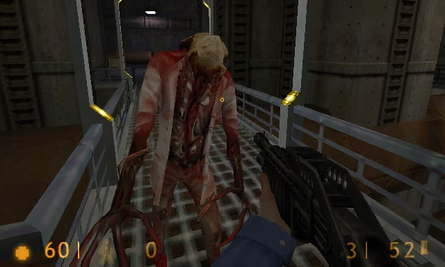
Half-Life also introduced AI behavior that was groundbreaking for its time. Human enemies coordinated attacks, took cover, and reacted dynamically to player actions. Friendly NPCs followed the player, provided assistance, and responded contextually to events.
This focus on believable character behavior laid the groundwork for modern FPS AI systems, influencing franchises such as Call of Duty, Halo, and Far Cry. The sense that enemies were thinking and adapting elevated combat beyond simple target practice.
Gordon Freeman and the Silent Protagonist
Gordon Freeman became an icon not because of dialogue, but because of player agency. By making the protagonist silent, Valve allowed players to project themselves into the character. This design choice strengthened immersion and inspired future FPS protagonists who rely more on player experience than scripted personality.
The crowbar, Freeman’s most recognizable tool, became one of gaming’s most iconic symbols—proof that strong identity can be built through gameplay rather than exposition.
Half-Life’s Lasting Influence on Modern FPS Games
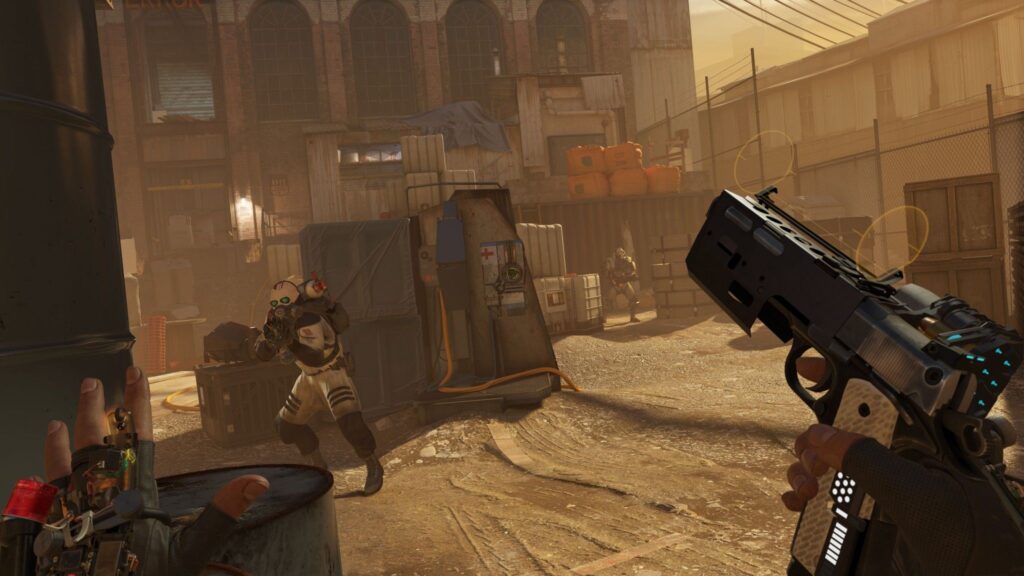
The design principles introduced by Half-Life—immersive storytelling, environmental narrative, intelligent AI, and seamless gameplay—are now foundational elements of modern FPS games. Titles like Half-Life 2, Portal, Titanfall 2, and Half-Life: Alyx continued to push these ideas forward, especially with physics-based gameplay and VR innovation.
Even today, developers cite Half-Life as a benchmark for narrative-driven FPS design.
Half-Life did not merely improve the FPS genre—it redefined it. By blending storytelling, world-building, and player immersion into a seamless experience, Valve set a new standard that continues to shape modern FPS games. More than 25 years later, Half-Life remains a masterclass in game design and a cornerstone of gaming history.
For fans and newcomers alike, its legacy proves that innovation—not spectacle alone—is what truly advances a genre.
